
Professionally Built Docks: Design, Construction & Upkeep

Professionally built docks serve as essential structures for waterfront properties, providing both functionality and aesthetic appeal. This comprehensive guide explores the various aspects of dock construction, including design features, costs, materials, and maintenance strategies. Readers will gain insights into the benefits of investing in professionally built docks, ensuring durability and longevity while enhancing property value. Many property owners face challenges in selecting the right dock design and understanding the associated costs. This guide aims to address these concerns by outlining the key benefits of professional dock construction, the typical processes involved, and the best materials available. Additionally, we will delve into current design trends and provide practical maintenance tips to keep your dock in optimal condition.
What Are the Key Benefits of Professionally Built Docks?
Professionally built docks offer numerous advantages that enhance both functionality and aesthetics. These docks are designed with high-quality materials and construction techniques that ensure durability and longevity, making them a worthwhile investment for any waterfront property. The primary benefits include enhanced safety, increased property value, and tailored designs that meet specific needs.
How Does Professional Dock Construction Ensure Durability and Longevity?
Professional dock construction employs high-quality materials and advanced techniques that significantly enhance durability. For instance, using treated wood, composite materials, or aluminum can withstand harsh weather conditions, while proper anchoring and pilings ensure stability. Additionally, regular maintenance practices, such as inspections and repairs, contribute to the dock’s longevity, allowing it to serve its purpose for many years.
What Design Features Make Custom Docks Stand Out?
Custom docks can be tailored to fit the unique needs and preferences of property owners. Innovative design features such as integrated lighting, safety railings, and versatile layouts enhance both functionality and aesthetic appeal. Customization options allow for the incorporation of personal touches, making each dock a reflection of the owner’s style while ensuring it meets practical requirements.
How Do Dock Construction Services Near Me Operate?
Dock construction services typically follow a structured process that includes consultation, design, and construction phases. Understanding how these services operate can help property owners make informed decisions when selecting a contractor.
What Is the Typical Dock Construction Process and Timeline?
The dock construction process generally begins with an initial consultation, where the contractor assesses the site and discusses the client’s needs. Following this, a design phase takes place, where plans are drafted and approved. The construction phase can vary in duration depending on the complexity of the project, but most docks can be completed within a few weeks to a couple of months, weather and permitting conditions permitting.
What Warranties and Guarantees Do Professional Dock Builders Offer?
Professional dock builders often provide warranties and guarantees that protect the investment of property owners. Common warranties may cover structural integrity, materials used, and workmanship. These guarantees offer peace of mind, ensuring that any issues arising post-construction will be addressed by the builder.
What Are Custom Dock Design Ideas and Trends for 2026?
As dock design evolves, several trends are emerging that reflect contemporary aesthetics and functionality. Property owners are increasingly looking for innovative designs that enhance their waterfront experience.
Which Styles and Materials Are Popular in Custom Dock Designs?
Current trends in custom dock designs include the use of eco-friendly materials such as composite decking, which offers durability and low maintenance. Additionally, styles that incorporate natural elements, such as curved shapes and integrated landscaping, are gaining popularity. These designs not only enhance the visual appeal but also blend seamlessly with the surrounding environment.
How Do Advanced Dock Lighting and Safety Features Enhance Custom Docks?
Advanced lighting options, such as LED fixtures, improve safety and usability during nighttime hours. Furthermore, incorporating safety features like non-slip surfaces and railings ensures that docks are safe for all users. These enhancements not only provide practical benefits but also contribute to the overall aesthetic of the dock.
How to Estimate Dock Building Costs Accurately?
Estimating the costs associated with building a dock requires consideration of various factors, including materials, design complexity, and location. Understanding these elements can help property owners budget effectively for their projects.
What Factors Influence the Cost of Building a Dock?
Several factors influence dock construction costs, including the choice of materials, the complexity of the design, and the geographical location of the property. For instance, using premium materials like aluminum or composite can increase costs, while simpler designs may be more budget-friendly. Additionally, local regulations, permitting fees, and site conditions such as water depth and soil type can also impact the overall budget.
How Do Different Dock Types Affect Construction Expenses?
Different types of docks, such as floating docks, permanent (fixed) docks, and modular systems, come with varying costs. Floating docks, for example, may be less expensive to install but could require more maintenance over time. Understanding the long-term implications of each dock type can help property owners make informed decisions that align with their budget and needs.
What Are the Best Materials for Docks and Their Comparisons?
Choosing the right materials for dock construction is crucial for ensuring durability and minimizing maintenance needs. Various materials offer distinct advantages and disadvantages.
| Material | Durability | Maintenance Needs |
|---|---|---|
| Wood | Moderate to High (depending on type and treatment) | High (requires regular sealing, treatment, and inspections) |
| Composite | High | Low (resistant to rot, fading, and insect damage) |
| Aluminum | Very High | Low (corrosion-resistant and lightweight) |
This comparison highlights the importance of selecting materials that align with the intended use and environmental conditions of the dock. For instance, while wood may offer a classic aesthetic, composite and aluminum materials provide superior durability and lower maintenance requirements.
How Do Wood, Composite, and Aluminum Materials Compare for Dock Construction?
When comparing wood, composite, and aluminum for dock construction, each material presents unique benefits. Wood is often favored for its natural look but requires regular maintenance to prevent decay and damage from water exposure. Composite materials offer a balance of aesthetics and durability, while aluminum is the most durable option, requiring minimal upkeep and offering excellent resistance to corrosion. Property owners should consider their specific needs and preferences when selecting materials for their docks.
Further research highlights the specific advantages and challenges associated with using aluminum alloys in marine environments.
Aluminum Alloys for Marine Dock Construction
Aluminum alloys (AAs) of 5xxx and 6xxx are employed in marine construction and shipbuilding, particularly in the construction of hulls, superstructures, and deck panels of ships due to their high strength-to-weight ratios and corrosion resistance characteristics. Fabrication of these structures often poses serious threats during the joining (welding) as these alloys exhibit a vast difference in chemical and mechanical properties. Moreover, corrosion of these alloys in marine atmosphere is also a serious issue.
Aluminum alloys in marine construction: characteristics, application, and problems from a fabrication viewpoint, MA Wahid, 2020
What Are the Environmental Impacts and Maintenance Needs of Dock Materials?
The environmental impact of dock materials varies significantly. For example, treated wood can leach chemicals into the water if not properly managed, while composite materials are often made from recycled products, making them a more sustainable choice. Aluminum is recyclable and has a long lifespan, reducing environmental impact over time. Understanding the environmental implications of each material can guide property owners in making eco-friendly decisions that align with their values.
How to Maintain and Repair Professionally Built Docks Effectively?
Proper maintenance and timely repairs are essential for prolonging the life of professionally built docks. Implementing effective maintenance strategies can prevent costly repairs and ensure safety.
What Are Essential Seasonal and Long-Term Dock Maintenance Tips?
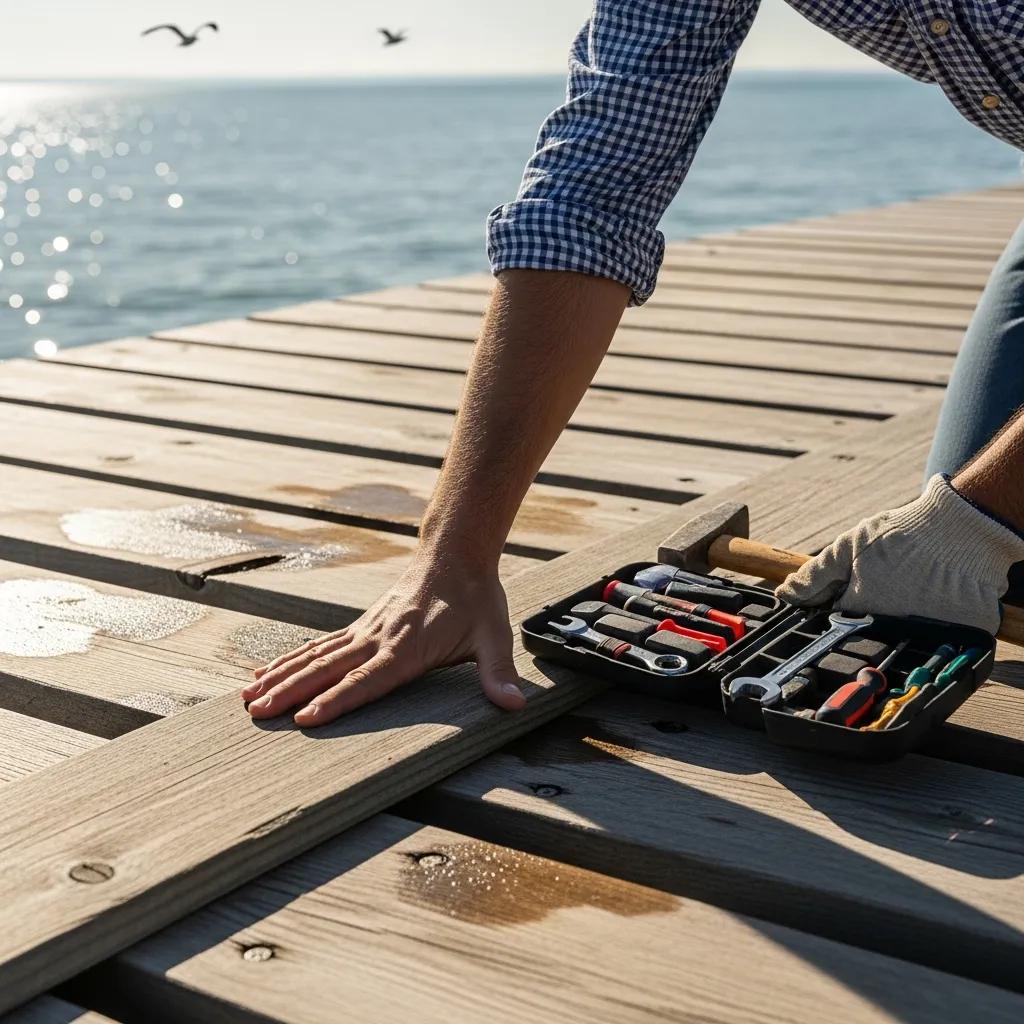
Seasonal maintenance tasks include inspecting for damage, cleaning the dock surface, and checking for loose fittings. Long-term care strategies involve regular sealing or staining of wooden surfaces and ensuring that all safety features are intact. By adhering to these maintenance tips, property owners can keep their docks in excellent condition year-round.
When and How Should Dock Repairs Be Performed?
Repairs should be performed promptly when signs of wear or damage are detected. Common issues include loose boards, rusted fittings, and damaged lighting. Property owners should assess the severity of the damage and determine whether to undertake repairs themselves or hire a professional. Regular inspections can help identify potential problems before they escalate.