Custom Dock Builders Near Me: Expert Private Dock Design and Construction Services
Custom docks contractor South Floirda by The Tiki hut Company are essential for enhancing waterfront properties, providing both functionality and aesthetic appeal. This article explores various private dock design ideas, focusing on unique features, floating dock options, and the costs associated with dock construction services. Readers will learn how to choose the best designs that suit their needs while considering the integration of luxurious elements like tiki huts. Additionally, we will discuss the benefits of floating docks versus fixed designs, ensuring that you have a comprehensive understanding of the options available. By the end of this article, you will be equipped with the knowledge to make informed decisions about your custom dock project.
What Are the Best Private Dock Design Ideas for Custom Docks?
When it comes to designing a custom dock, creativity and functionality go hand in hand. The best private dock design ideas incorporate unique features that enhance usability and visual appeal. These designs can be tailored to fit the specific needs of the property owner, ensuring that the dock serves its intended purpose while complementing the surrounding environment.
How Can Unique Dock Features and Accessories Enhance Your Dock?
Unique dock features and accessories can significantly enhance the overall experience of using a dock. Some popular enhancements include:
- Lighting: Underwater and ambient lighting can create a stunning visual effect at night, making the dock a beautiful focal point.
- Seating Areas: Incorporating benches or lounge chairs allows for relaxation and enjoyment of the waterfront views.
- Storage Solutions: Built-in storage for equipment and accessories keeps the dock organized and functional.
These enhancements not only improve the dock’s usability but also increase its aesthetic value, making it a more enjoyable space for gatherings and leisure activities.
What Are Popular Tiki Hut Integration Options for Private Docks?
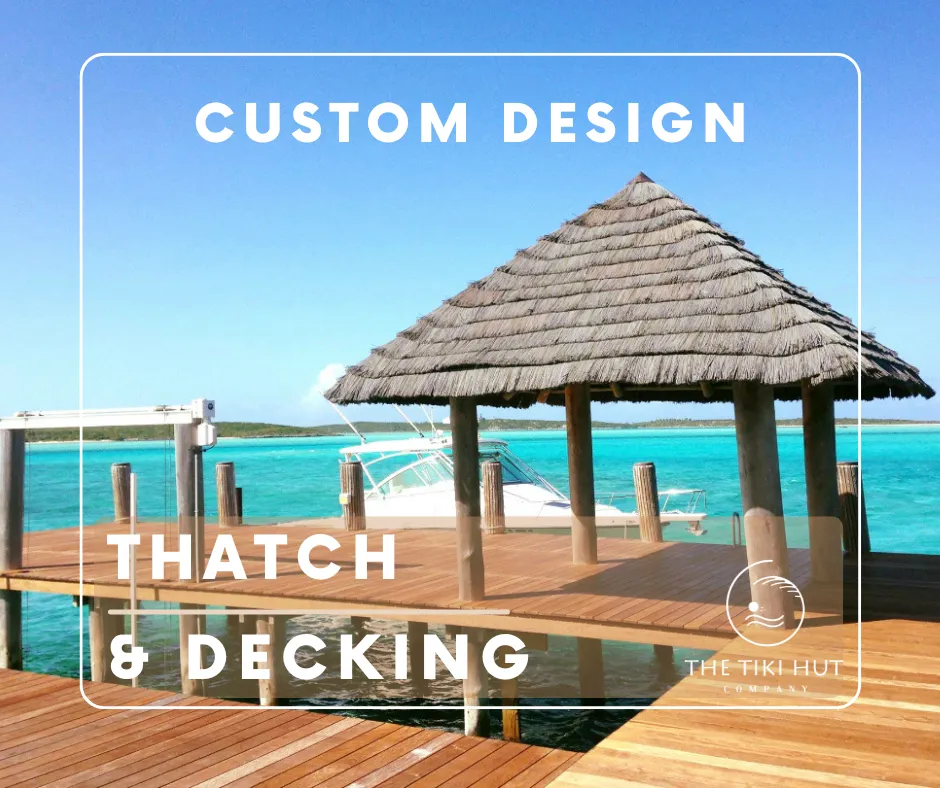
Tiki huts are a popular addition to private docks, providing shade and a tropical vibe. Some popular integration options include:
- Open-Air Tiki Huts: These structures offer a casual space for relaxation and socializing, often featuring thatched roofs and bamboo accents.
- Tiki Bars: Adding a bar area can transform the dock into an entertainment hub, perfect for hosting friends and family.
- Seating Arrangements: Comfortable seating under the tiki hut encourages longer stays and enhances the overall experience.
Integrating a tiki hut into your dock design not only adds functionality but also creates a unique atmosphere that enhances the enjoyment of your waterfront property.
The appeal of integrating tiki elements into waterfront properties is rooted in a broader cultural aesthetic that evokes a sense of tropical paradise.
Integrating Tiki Design for Waterfront Property Aesthetics
This sense of paradise lost, of temps perdu, is an integral part of the Tiki culture, Tiki (or Polynesian Pop) is a design aesthetic that evokes a romanticized vision of the South Pacific.
Tiki road trip: A guide to Tiki culture in North America, 2007
Which Floating Dock Design Options Are Ideal for Custom Private Docks?
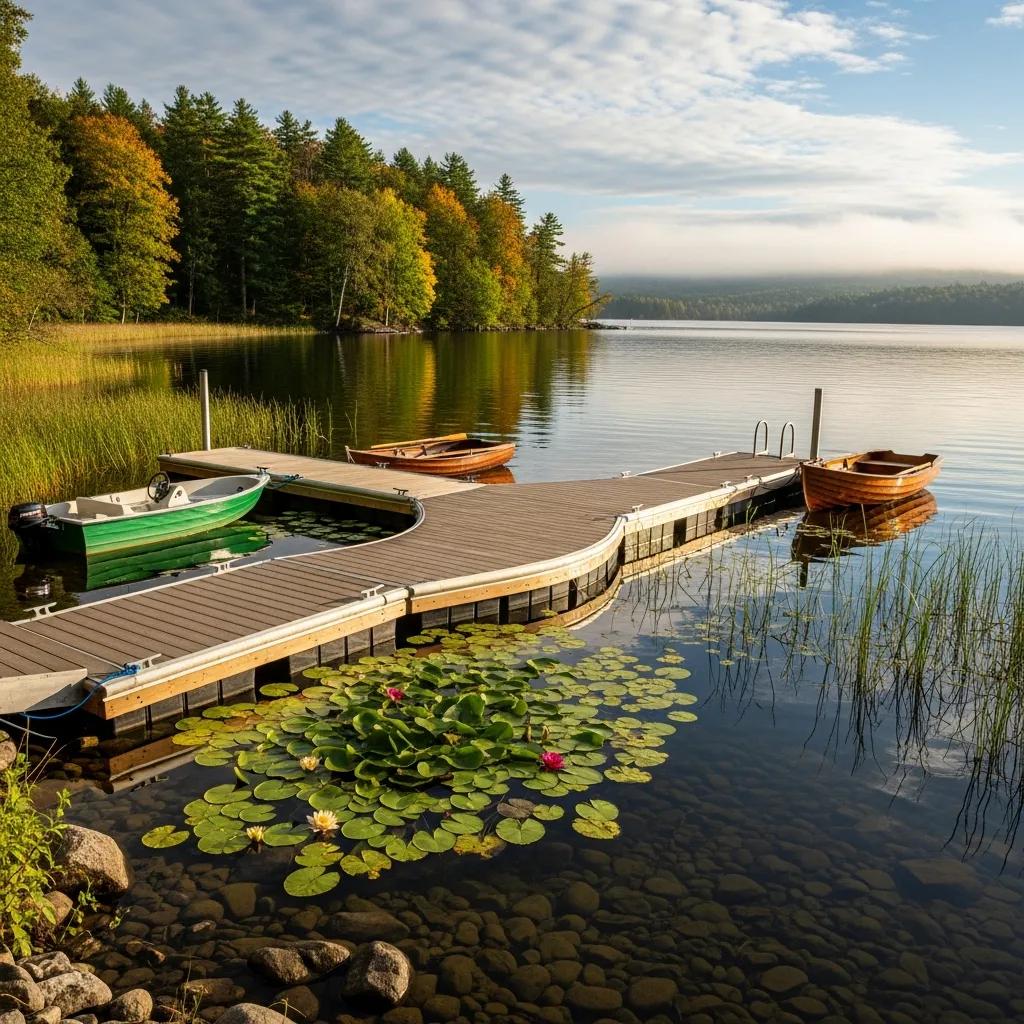
Floating docks are an excellent choice for many waterfront properties, offering versatility and ease of installation. They are particularly suitable for areas with fluctuating water levels, as they can rise and fall with the tide. When considering floating dock designs, it’s essential to evaluate the various options available to find the best fit for your needs.
What Are the Benefits of Floating vs. Fixed Dock Designs?
Floating docks and fixed docks each have their advantages. Here’s a comparison of the two:
| Feature | Floating Docks | Fixed Docks |
|---|---|---|
| Installation | Easier and quicker to install | Requires more time and effort |
| Water Level Adaptation | Adjusts with changing water levels | Fixed height, may not suit all conditions |
| Maintenance | Generally lower maintenance | May require more upkeep |
| Cost | Often more affordable | Can be more expensive |
Floating docks are ideal for properties with varying water levels, while fixed docks may be better suited for stable environments. Understanding these differences can help you choose the right design for your property.
Further insights into the structural and accessibility considerations for floating docks are provided by established design standards.
Floating Dock Design Standards & Access Guidelines
The opportunity is also taken to compare and contrast the different standards so as to give a comprehensive overview of floating dock designs. These standards often provide guidelines for aspects like the design live load and how to provide access to the floating dock surface from a fixed point on shore.
Review of Selected Standards for Floating Dock Designs, 1997
How Do Sustainable Materials Influence Floating Dock Construction?
Sustainable materials play a crucial role in the construction of floating docks. Using eco-friendly options not only benefits the environment but also enhances the longevity of the dock. Some sustainable materials include:
- Recycled Plastic: Durable and resistant to weathering, recycled plastic is an excellent choice for dock surfaces.
- Composite Materials: These materials combine wood fibers and plastic, offering the aesthetic of wood with the durability of plastic.
- Natural Wood: When sourced responsibly, natural wood can provide a beautiful and sustainable option for dock construction.
Incorporating sustainable materials into your dock design not only reduces environmental impact but also ensures that your dock remains functional and attractive for years to come.
The practical application of sustainable materials in floating dock construction is exemplified by community-based projects utilizing readily available and eco-friendly components.
Sustainable Materials for Floating Dock Construction
using a community-based floating dock approach. It is chosen due to materials like wooden frames and plastic drums were used for simplicity and sustainability in dock construction.
DESIGN AND CONSTRUCTION OF COMMUNITY BASED FLOATING DOCK IN PARIT ISLAND, KARIMUN DISTRICT, RIAU ISLANDS, INDONESIA
How Much Do Dock Construction Services Cost for Custom Private Docks?
The cost of dock construction services can vary widely based on several factors, including materials, design complexity, and location. Understanding these factors can help you budget effectively for your custom dock project.
What Factors Affect the Pricing of Custom Dock Building?
Several key factors influence the pricing of custom dock building:
- Material Costs: The choice of materials significantly impacts the overall cost. High-quality, sustainable materials may have a higher upfront cost but offer better longevity.
- Design Complexity: More intricate designs require additional labor and time, increasing the overall price.
- Location: Accessibility and local regulations can also affect construction costs, as some areas may have stricter building codes.
By considering these factors, you can better estimate the costs associated with your custom dock project.
How Long Does the Custom Dock Construction Process Typically Take?
The timeline for constructing a custom dock can vary based on several factors, including design complexity and weather conditions. Generally, the construction process can take anywhere from 4 to 12 weeks. This timeframe includes planning, permitting, and actual construction. Understanding the timeline helps set realistic expectations for your project and ensures that you are prepared for any potential delays.